
Over time, natural changes in facial structure and skin quality may alter the appearance of facial contours. This can include changes in volume distribution, skin laxity and the formation of lines, which may influence how the face appears at rest.
Surgical procedures are one option for addressing these changes; however, they involve operative intervention, recovery time and associated risks. For individuals who may not wish to pursue surgery, non-surgical treatment options may be considered as part of a personalised approach to facial assessment and management.
Non-surgical treatments are clinician-performed and tailored to the individual following consultation. The focus is on supporting facial balance and overall appearance in a measured and natural-looking way. Treatment suitability, expected outcomes and potential risks vary between individuals and are discussed as part of the consultation process.
Non-Surgical Facelift Approaches (Medical Assessment Required)
Non-surgical treatment approaches may be considered for individuals seeking to support facial structure and skin quality without surgery. These treatments are prescription-based and performed by qualified medical practitioners following a personalised consultation.
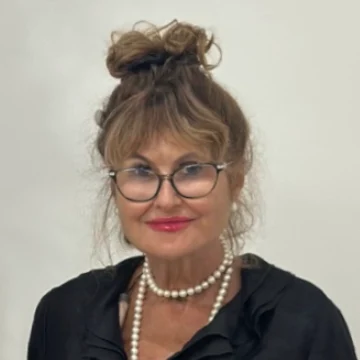
Dr Irene Kushelew is an experienced medical practitioner in non-surgical aesthetic medicine. She adopts a comprehensive approach to facial assessment, considering overall facial proportions, skin condition and individual goals when developing a treatment plan.
Consultation involves a detailed facial analysis to determine suitability for treatment and to identify areas that may be considered as part of a broader treatment approach. Any recommended treatments are tailored to the individual, with discussion of potential benefits, risks and alternative options to support informed decision-making.
Eight-Point Approach to Non-Surgical Facial Treatment
In some cases, treatment planning may involve consideration of multiple areas of the face to support overall facial balance. This approach is sometimes described as an “eight-point” treatment framework, where specific regions are assessed in relation to one another rather than treated in isolation.
Areas that may be considered include:
- Inner cheek area
- Outer cheek area
- Under-eye region
- Nasolabial fold area
- Corners of the mouth
- Pre-jowl region
- Jawline
- Mid-face
The selection of treatment areas, techniques and products is determined during consultation, based on individual anatomy and treatment suitability. Outcomes vary between patients, and multiple sessions may be required depending on the treatment plan.
If you would like to explore suitable treatment options, a consultation is required. During this process, Dr Kushelew will assess your concerns and discuss appropriate pathways based on your individual needs.